The deadlift builds posterior chain strength, power, and bone loading stimulus faster than almost any other lift — but only when the bar path and spine position stay honest. Here's the evidence on benefits, real side effects tied to faulty form, and how to dose the movement by experience level.
Why Deadlift Form Is the Real Performance Variable
The deadlift is one of the most efficient full-body strength movements available, loading the posterior chain, grip, and trunk stabilizers in a single pattern. But the benefits reported in strength research — increases in posterior chain strength, bone mineral density stimulus, and carryover to athletic power — are conditional on technique. Poor bar path and spinal positioning are consistently cited in sports medicine literature as the primary mechanism behind lumbar strain injuries, not the exercise itself.
This article breaks down what the evidence actually shows about deadlift benefits, who should prioritize the lift, common side effects tied to faulty mechanics, and practical loading guidance you can apply this week.
What the Evidence Says About Deadlift Benefits
Controlled training studies on hip-hinge patterns consistently report gains in maximal strength, rate of force development, and posterior chain hypertrophy (glutes, hamstrings, erector spinae) over 8-16 week programs. Because the deadlift recruits a large amount of muscle mass under heavy load, it also produces a meaningful acute hormonal and metabolic response, which partly explains its reputation as a high-yield strength builder relative to time invested.
- Posterior chain strength: consistently ranked among the highest EMG activation exercises for glutes and erectors
- Grip and forearm strength: mixed or double-overhand grip work transfers to carry and pull-based sports
- Bone loading stimulus: axial loading exercises are associated with favorable bone density adaptations in resistance-trained populations
- Trunk stability: bracing demands improve intra-abdominal pressure control, relevant to occupational lifting safety
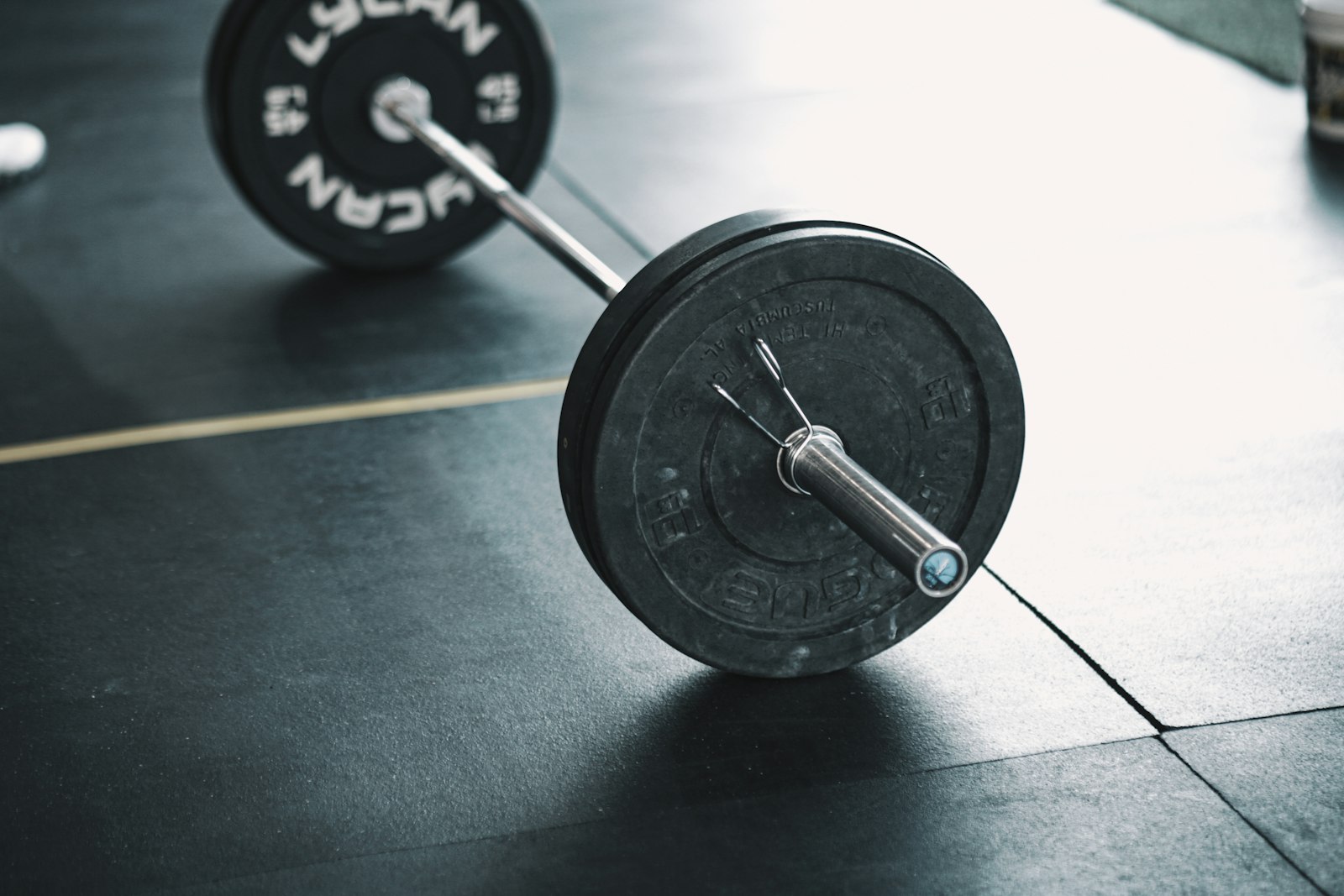
Who Benefits Most
Athletes in jumping, sprinting, and combat sports benefit from deadlift-driven hip extension power. General population lifters use it as a time-efficient strength anchor. Older adults under supervised programming can use lighter-load hinge variations (trap bar, rack pull) to maintain functional strength and reduce fall risk, provided technique is coached and volume is conservative.
Deadlift Side Effects: What's Actually Faulty Form vs. Normal Adaptation
Muscle soreness in the hamstrings, glutes, and lower back 24-48 hours after a new deadlift block is a normal training response and not a red flag. The side effects worth taking seriously are mechanical: rounded lower back under load, bar drifting away from the shins, and hyperextending at the top of the lift. These patterns shift load away from the intended muscles and concentrate shear force on the lumbar spine and discs.
- Lower back rounding under load — associated with increased disc shear stress in biomechanical modeling studies
- Bar drifting forward — increases moment arm and low-back torque unnecessarily
- Excessive lockout hyperextension — adds unneeded lumbar extension stress with no strength benefit
- Breath-holding without bracing technique — can spike blood pressure transiently; those with cardiovascular conditions should get medical clearance before heavy pulls
Lock In Your Setup With a Reliable Lifting Belt
A quality weightlifting belt reinforces intra-abdominal pressure and bracing cues during heavy pulls, supporting the exact mechanism that protects the lumbar spine under load.
Check Availability →
Dosing the Deadlift: Volume, Frequency, and Progression
"Dosing" a deadlift means managing load, volume, and frequency relative to your training experience and recovery capacity. Novice lifters generally respond well to 1-2 heavy sessions per week at moderate volume, prioritizing technique consolidation before adding load. Intermediate and advanced lifters often need more deliberate periodization, since the deadlift's systemic fatigue cost is higher than smaller isolation movements.
| Experience Level | Suggested Frequency | Typical Working Sets | Primary Focus |
|---|---|---|---|
| Beginner (0-6 months) | 1x/week | 2-3 sets of 5 | Bar path, hip hinge mechanics, bracing |
| Intermediate (6mo-2yr) | 1-2x/week | 3-5 sets of 3-5 | Progressive overload, variation rotation |
| Advanced (2yr+) | 2x/week (varied intensity) | Periodized 1-5 rep ranges | Peaking, competition specificity |
| Older adult / rehab context | 1x/week, supervised | 2-3 sets of 6-10, lighter load | Trap bar or rack pull variations, coached form |
Reducing Injury Risk Without Sacrificing Load
The research on lifting-related low back injury points less at the deadlift itself and more at rate of load progression, fatigue management, and technical breakdown under near-maximal effort. Practical risk reduction strategies include filming your setup from the side to check bar path, training to a consistent bracing cue before each rep, and avoiding max-effort singles when technique already looks compromised in warm-up sets.
Footwear and flooring also matter more than most lifters assume. A flat, non-compressible sole improves proprioceptive feedback and stability compared to cushioned running shoes, which is why flat-soled training shoes are widely recommended in strength coaching literature for hinge and squat patterns.
Improve Ground Contact With Flat-Soled Training Shoes
A stable, non-compressible sole gives your setup a firmer base, supporting cleaner bar path and better force transfer through the floor on every pull.
Shop Training Shoes →Recovery Support Between Heavy Pulling Sessions
Because the deadlift taxes the posterior chain and central nervous system heavily, recovery quality between sessions influences both performance and injury resilience. Adequate protein intake, sleep, and micronutrient status (particularly magnesium, which supports normal muscle function) are frequently cited in strength and conditioning literature as foundational recovery levers — supplementation should be viewed as a support to these basics, not a replacement for them.
Support Muscle Recovery With Quality Magnesium
Magnesium contributes to normal muscle function and may support recovery between heavy posterior-chain training sessions when paired with adequate sleep and protein intake.
Shop on iHerb →The Bottom Line
Deadlift form determines whether you get the well-documented strength, posture, and power benefits of the lift — or absorb avoidable lumbar stress instead. Prioritize a neutral spine, a bar path close to the shins, and conservative load progression, and the deadlift remains one of the highest-yield strength movements available in 2026 training programs, regardless of your experience level.
Speed Up Posterior Chain Recovery With a Percussion Massager
Targeted percussive therapy on the hamstrings, glutes, and lower back can help manage post-deadlift soreness and maintain mobility between heavy training sessions.
View Options →From across the network
More from the network on related topics: VitaminSupplyCenter · TestBoostLab · EliteRecoveryLab.